Everest Base Camp Trek: Classic Himalayan Adventure
Overview
Everest Base Camp Trek: Classic Himalayan Adventure
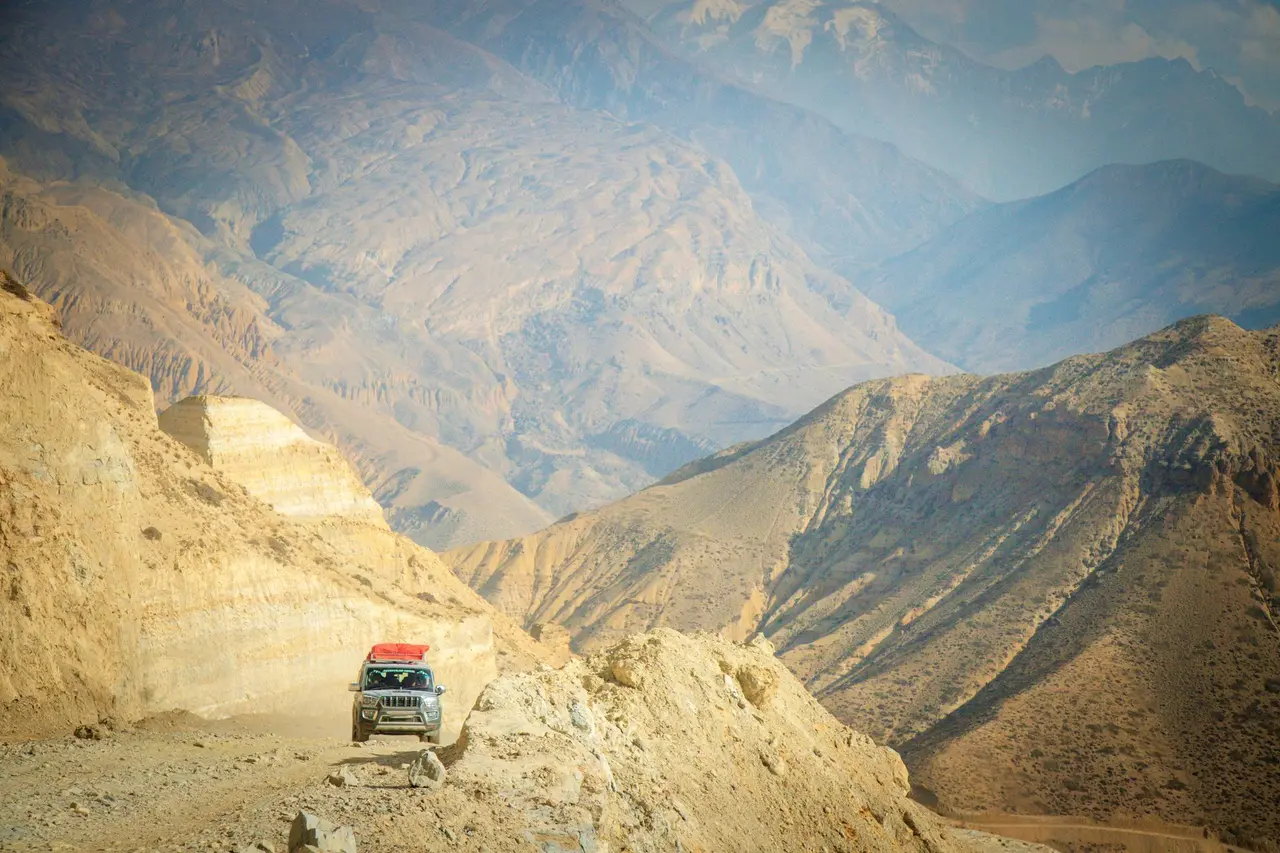
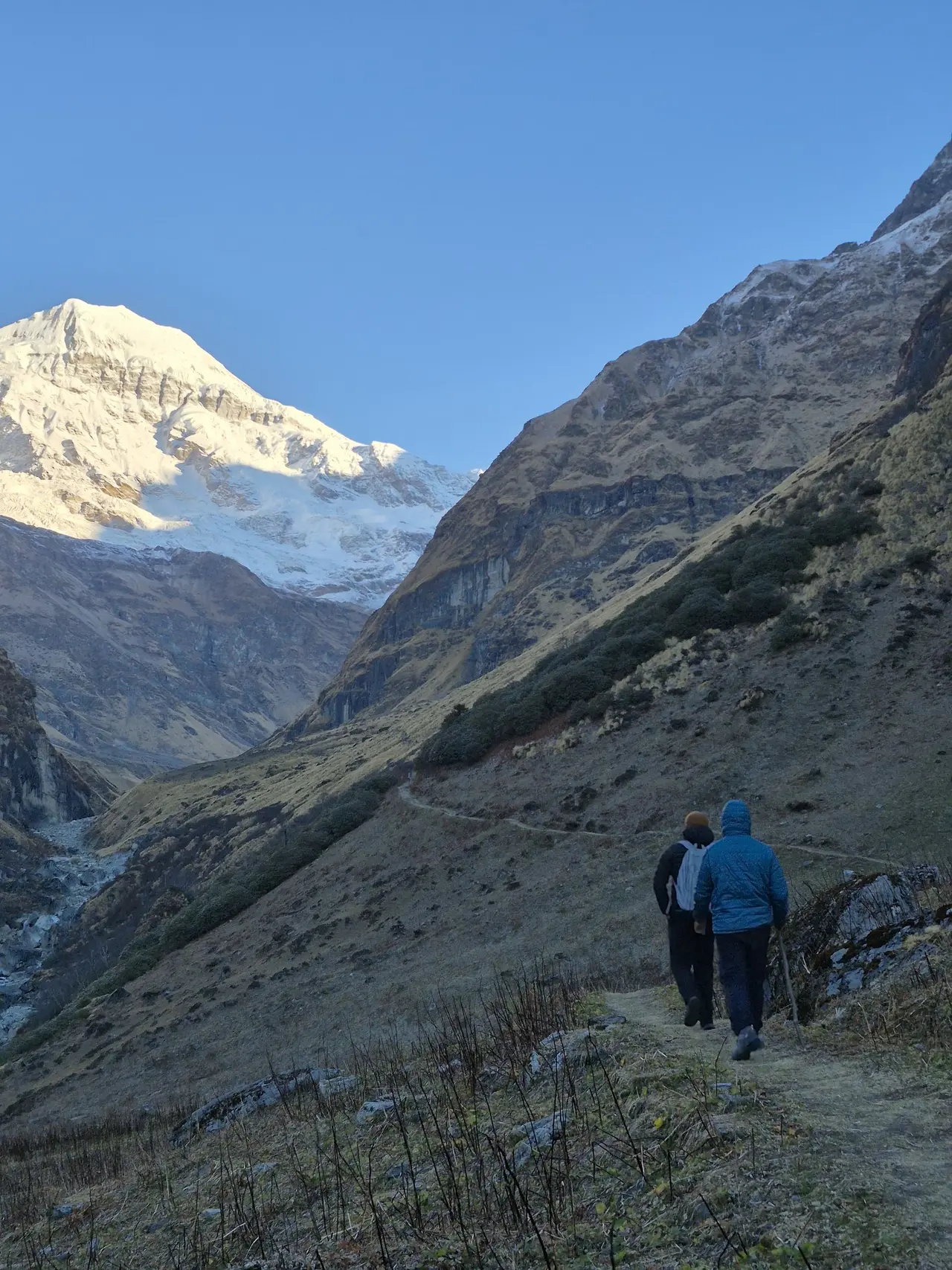
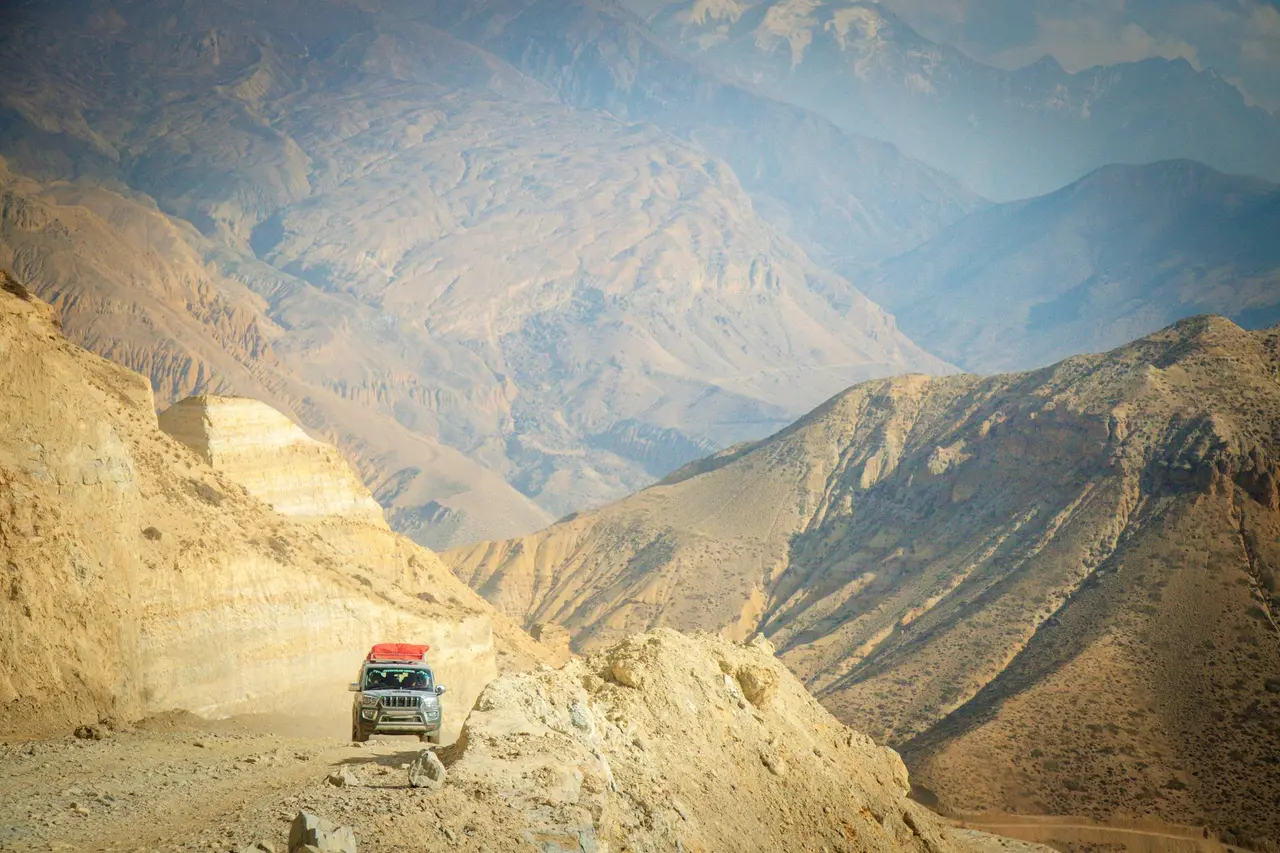
Embark on the adventure of a lifetime with our Everest Base Camp Trek. This classic Himalayan journey takes you deep into the heart of the Khumbu Valley, offering unparalleled views of the world's highest peaks, including Mount Everest itself. Challenge yourself on stunning trails, immerse yourself in Sherpa culture, and witness breathtaking landscapes that will leave you in awe.
Highlights
- Trek to the iconic Everest Base Camp (5,364m)
- Ascend Kala Patthar (5,545m) for panoramic Everest views
- Explore Sherpa villages and ancient monasteries
- Experience the vibrant culture of the Khumbu Valley
- Witness stunning glaciers, icefalls, and majestic mountain scenery
What to Expect
This trek is a challenging yet rewarding experience, suitable for trekkers with a good level of fitness and a spirit of adventure. You'll be walking for several hours each day, often at high altitudes, so preparation is key. Our experienced guides will lead you every step of the way, ensuring your safety and providing insights into the local culture and environment. Accommodation will be in traditional teahouses, offering a glimpse into Sherpa hospitality.
The Route
The journey begins with a thrilling flight to Lukla, the gateway to the Everest region. From there, we follow the Dudh Kosi river valley, passing through charming Sherpa villages like Phakding and Namche Bazaar. We'll acclimatize in Namche, exploring its bustling market and enjoying views of Everest. The trail then ascends through rhododendron forests, past Tengboche Monastery, and into the high-altitude landscapes of Dingboche and Lobuche, before reaching Gorak Shep and the ultimate goal: Everest Base Camp.
Fitness & Difficulty
This is a moderate to strenuous trek, requiring excellent physical fitness and mental resilience. Trekkers should be able to walk for 5-7 hours daily with a light daypack. Prior trekking experience is beneficial but not mandatory. We recommend a thorough training regimen including cardiovascular exercises and strength training before your departure.
Best Time to Visit
The best times for the Everest Base Camp Trek are during the spring (March to May) and autumn (September to November) seasons. During these periods, the weather is generally stable, with clear skies and moderate temperatures, offering the best mountain views. Winter treks are possible but involve colder temperatures and more challenging conditions, while the monsoon season (June to August) brings heavy rainfall and obscured views.
Who This Trip Is For
This trek is ideal for adventurous individuals and groups who dream of standing at the foot of Mount Everest. It's perfect for those seeking a physical challenge, cultural immersion, and an unforgettable experience in one of the world's most spectacular natural environments. While not a technical climb, it demands respect for the altitude and the elements.
Dates & prices
Checking which dates are still open…
Everest Base Camp Trek Itinerary
Our meticulously planned 14-day itinerary ensures proper acclimatization and maximizes your enjoyment of the Everest Base Camp Trek. Each day offers unique landscapes, cultural encounters, and breathtaking views as we make our way to the foot of the world's highest mountain.
Day 1Arrival in Kathmandu
Upon your arrival at Tribhuvan International Airport (KTM) in Kathmandu, you will be met by our representative and transferred to your hotel. Take some time to relax and settle in. In the evening, there will be a trek briefing where you can meet your guide and fellow trekkers. You can also explore the vibrant Thamel area, known for its trekking gear shops, restaurants, and lively atmosphere.
Day 2Flight to Lukla & Trek to Phakding
Our adventure begins with an early morning scenic flight to Lukla (2,860m), the gateway to the Everest region. The short flight offers breathtaking views of the Himalayan range. Upon arrival, we meet our porters and begin our trek to Phakding (2,610m). The trail is relatively easy, descending through lush forests and passing traditional Sherpa villages. We follow the Dudh Kosi River, enjoying the fresh mountain air and the sounds of nature.
Day 3Trek to Namche Bazaar
Today, we trek to the bustling Sherpa capital of Namche Bazaar (3,440m). The trail gradually ascends, crossing several suspension bridges, including the famous Hillary Suspension Bridge. As we climb, we'll get our first glimpse of Everest (weather permitting). Namche Bazaar is a vibrant hub with a rich culture, offering stunning views of the surrounding mountains. We'll have time to explore the market and soak in the atmosphere.
Day 4Acclimatization Day in Namche Bazaar
This is an important acclimatization day to help our bodies adjust to the altitude. We'll take a short hike to a viewpoint above Namche, offering panoramic views of Everest, Lhotse, Ama Dablam, and other majestic peaks. We can also visit the Sherpa Museum to learn about Sherpa culture and the history of mountaineering in the region. The rest of the day is free to explore Namche or relax.
Day 5Trek to Tengboche
Today's trek takes us to Tengboche (3,860m), home to the largest monastery in the Khumbu region. The trail offers spectacular views of Everest, Ama Dablam, and Nuptse. We descend to the Dudh Kosi River and then ascend through rhododendron and juniper forests to reach Tengboche. The monastery is a spiritual center for the Sherpa people, and we may have the opportunity to witness a prayer ceremony.
Day 6Trek to Dingboche
We continue our ascent to Dingboche (4,410m), a picturesque village nestled in the Imja Valley. The trail passes through Pangboche, a traditional Sherpa village with an ancient monastery. As we gain altitude, the landscape becomes more arid and dramatic, with stunning views of Ama Dablam. Dingboche is another important acclimatization stop, and we'll feel the effects of the higher altitude.
Day 7Acclimatization Day in Dingboche
Another acclimatization day in Dingboche is crucial for our bodies to adapt to the increasing altitude. We'll take a hike to a ridge overlooking the village, offering magnificent views of Island Peak, Lhotse, and Makalu. This active acclimatization helps in preventing altitude sickness. The afternoon can be spent relaxing or exploring the village.
Day 8Trek to Lobuche
Today's trek leads us to Lobuche (4,910m). The trail ascends gradually, offering views of the Khumbu Glacier. We pass through Dughla, where we'll find a memorial site dedicated to climbers who have perished on Everest. The landscape becomes more rugged and barren as we approach Lobuche, a small settlement at the foot of the Lobuche peak.
Day 9Trek to Everest Base Camp & Gorak Shep
This is the most anticipated day of our trek! We start early, trekking along the Khumbu Glacier to Gorak Shep (5,164m). After a short break, we continue our journey to Everest Base Camp (5,364m). Standing at the foot of the world's highest mountain, surrounded by towering peaks and the Khumbu Icefall, is an unforgettable experience. We spend some time soaking in the atmosphere before returning to Gorak Shep for the night.
Day 10Hike to Kala Patthar & Trek to Pheriche
Another early start as we hike to Kala Patthar (5,545m) for a spectacular sunrise view of Mount Everest, Lhotse, and Nuptse. This viewpoint offers the best panoramic views of Everest. After capturing these incredible moments, we descend to Gorak Shep for breakfast and then begin our descent to Pheriche (4,280m). The descent is much easier, and we'll feel the difference in altitude.
Day 11Trek to Namche Bazaar
We continue our descent, retracing our steps through the beautiful Himalayan landscape. The trail leads us back to Namche Bazaar (3,440m). We'll pass through familiar villages and enjoy the changing scenery as we lose altitude. Upon reaching Namche, you can celebrate your achievement and enjoy a well-deserved hot shower.
Day 12Trek to Lukla
Our final day of trekking takes us back to Lukla (2,860m). We descend along the Dudh Kosi River, passing through charming villages and enjoying the last views of the majestic mountains. Upon arrival in Lukla, we'll have a farewell dinner with our trekking crew, celebrating the successful completion of our Everest Base Camp adventure.
Day 13Flight to Kathmandu
We take an early morning flight from Lukla back to Kathmandu. Upon arrival, you'll be transferred to your hotel. The rest of the day is free for you to relax, do some souvenir shopping, or explore more of Kathmandu's cultural sites. In the evening, we'll have a celebratory farewell dinner.
Day 14Departure from Kathmandu
After an incredible adventure, your Everest Base Camp Trek comes to an end. Our representative will transfer you to Tribhuvan International Airport (KTM) for your onward flight. We hope you leave with unforgettable memories of the Himalayas and a desire to return for more adventures.
What's included & excluded
Accommodation
- 13 nights in teahouses/lodges
- Twin-sharing rooms
Meals
- All meals during the trek (breakfast, lunch, dinner)
Transportation
- Round-trip flight Kathmandu-Lukla
- Airport transfers in Kathmandu
Permits & Fees
- Sagarmatha National Park entry permit
- Khumbu Pasang Lhamu Rural Municipality entrance fee
Guide & Staff
- Experienced, licensed trekking guide
- Porters to carry luggage (1 porter per 2 trekkers, 15kg limit per trekker)
Medical & Safety
- First-aid kit
- Oximeter for altitude monitoring
International Flights
- International airfare to and from Kathmandu
Visa Fees
- Nepal visa fees
Travel Insurance
- Mandatory comprehensive travel insurance
Drinks & Snacks
- Bottled water, soft drinks, alcoholic beverages, and snacks
Tips
- Tips for guides and porters
Personal Expenses
- Souvenirs, laundry, hot showers, battery charging
Emergency Evacuation
- Costs for emergency rescue or evacuation (covered by travel insurance)
Before you go
Three things that stop a booking going wrong.
What to pack
Bring broken-in boots, a 30 to 40 litre daypack, thermal base layers, a waterproof shell, sun protection at altitude, a headtorch, and a power bank. A full printable list is emailed with your confirmation.